
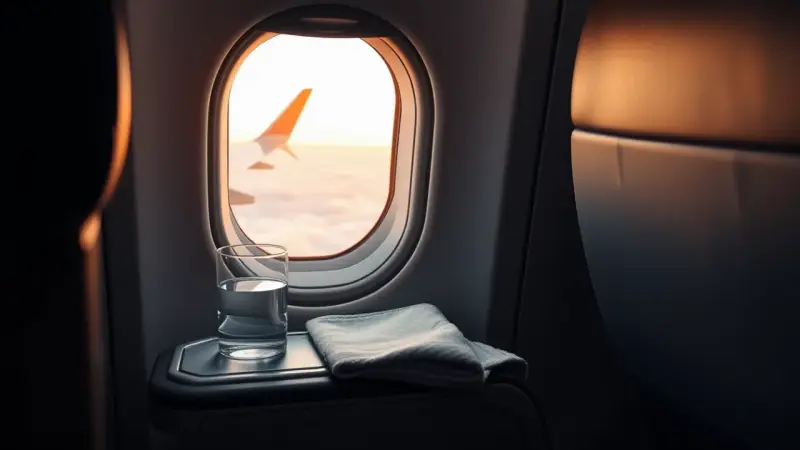
Why does daylight matter so much for jet lag?
Light is the strongest signal setting the body’s internal clock. Getting more natural daylight helps the body adjust to a new time zone, but the timing matters. Morning bright light moves the clock earlier, which helps when flying east. Bright light late at night moves it later, which helps when flying west.
An earlier New York Times report described the fatigue management team at NASA Johnson Space Center in Houston. The team trained astronauts who travel between international space agencies to get over jet lag two to three times faster than other travellers. Their plans were tailored to each astronaut, but they were built on the same light-and-timing principles that travellers can use.
Can light at the wrong time make jet lag worse?
Yes. In an April 2026 Forbes article on NASA-linked circadian science, the sleep scientist Dr Lockley said light and melatonin only work when they are timed correctly. Bright light at the wrong biological hour can push the body clock the wrong way, which makes jet lag and tiredness after landing worse.
Earlier advice from CNN Health followed the same logic for eastbound trips. It suggested avoiding bright light, especially sunlight, for the first few mornings after arrival by wearing dark sunglasses and a hat or staying indoors. Travellers were then told to get as much sunlight as possible between noon and 4pm.
Why is flying east harder than flying west?
Jet lag throws off the body’s circadian rhythms, causing poor sleep, dizziness and fatigue. Earlier guidance said symptoms usually got worse with more time zones crossed and shorter trips. Eastbound travel was considered harder because it is easier to make your day longer than to make it shorter. The common estimate was that the body needs about one day per time zone to adjust.
Some preparation can start before the flight. In a September 2026 KCBX programme with NASA and Mayo Clinic scientists, light therapy was described as something to start up to three days before travelling. For eastbound trips, the advice was to wake one hour earlier than usual and get at least an hour of light.
Does melatonin help, and when should it be taken?
Melatonin works the opposite way to light. Taken in the evening, it can move the body clock earlier. Taken later at night or in the morning, it can push the clock later. Darkness triggers the body to make melatonin, and daylight stops it. NASA-funded research found a type of light-sensitive cell in the eye that reacts to blue light, partly by suppressing melatonin.
Earlier advice suggested 2.5mg of melatonin under the tongue at bedtime for one or two nights if sleep was difficult. It also warned against stronger sedatives, which can hide jet lag symptoms without resetting the body clock. Timeshifter, the jet lag company founded by Mickey Beyer-Clausen, says melatonin alone won’t reset the clock unless light exposure is also timed correctly.
What should you eat and drink on the plane?
Earlier tips recommended drinking plenty of water during the flight and avoiding caffeine and alcohol. Both can disturb sleep and dehydrate the body. Eating lightly and skipping heavy, salty, fatty meals was also advised, because food is harder to digest at altitude. The KCBX programme advised drinking extra water from at least 24 hours before departure and avoiding alcohol before, during and right after a flight.
The same programme said alcohol hits two to three times harder at cruising altitude than at sea level. Caffeine is part of astronauts’ jet lag plans too. Former NASA astronaut Michael Lopez-Alegria told Forbes that his plans set out when to nap, when to see or avoid bright light, and when to drink or avoid caffeine.
Do jet lag apps actually work?
Timeshifter is a jet lag app tested on NASA astronauts. It builds a personal schedule of light exposure, light avoidance, sleep, caffeine and melatonin. Forbes noted that it draws on NASA-linked research but is not connected to or endorsed by NASA. According to the company, 96.4% of users who followed its advice did not have severe or very severe jet lag.