
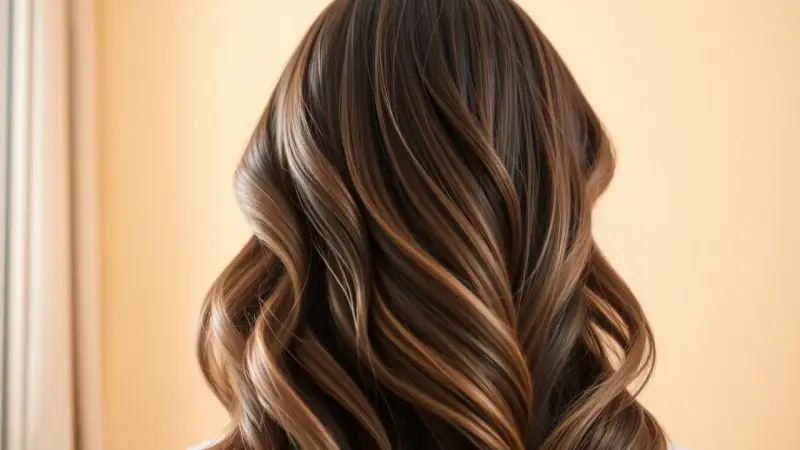
The butterfly haircut is a heavily layered cut. It mixes shorter and longer layers throughout the hair and adds layers that frame the face, so the overall shape looks like a pair of wings. The idea is to get dramatic, face-framing movement while the hair stays long.
The two layer lengths do different jobs. The short pieces around the face give the look of a shorter cut. The longer layers underneath keep the length and add bounce. Some stylists compare it to a Rachel haircut that flips outward instead of in.
Where the Butterfly Haircut Came From
The cut is much older than the social-media buzz suggests. Its documented history looks like this:
- 1950s: The butterfly haircut first appeared.
- 1990s: It had its first major comeback.
- Mid-2010s: It became popular again.
- 2023: TikTok and other social platforms made it a widespread trend.
Celebrity hairstylist Sunnie Brook is credited with coining the name “butterfly haircut.” More recently, a shorter version called the butterfly bob took the long, viral original as its starting point.
How to Try the Butterfly Haircut: Three Variations
1. Easy: Long Layers All Around
This version keeps your length and gives a quieter, lower-maintenance result. It suits people who want more movement without a big change in the mirror. It also needs less daily styling than versions with short front pieces.
2. Bolder: Face-Framing Layers From the Cheekbones
For more drama, ask for shorter layers around the face that begin at the cheekbones. This gives the look of a shorter cut while most of the length stays. The trade-off is effort: the shorter the layers, the more styling they need. Adding bangs pushes the look further. With bangs, a short butterfly cut starts to look more like a shag.
3. Boldest: The Butterfly Bob
The butterfly bob puts the same layered volume into a shorter shape. Hairstylist Danielle Garner describes the full-length original as “a layered, voluminous cut designed to give the illusion of shorter hair while keeping length.” The bob gives up that length. Garner rates its upkeep as moderate to high, depending on your hair texture and what you want from it.
Cost and Upkeep
Salon visits. Expect regular trims. One stylist recommends a visit every six to eight weeks, though the gap can stretch to eight to 12 weeks. Trimming the layers within six to eight weeks helps the cut keep its shape longer. The cut does give you some slack between visits, because it is easy to grow out into a style that still looks good.
Daily styling. The time this takes depends on how short the layers are. Celebrity hairstylist Glenn Ellis puts it directly: “It’s a haircut that requires a lot of maintenance and blow-drying.” A common method is to apply thickening mousse, then blow-dry with a round brush. Then you can run a curling iron over the ends for more drama. If you use a curling iron, choose a larger barrel and curl 1-inch sections away from your face. On lazy days, Velcro rollers add volume without heat.
Hair condition. The look depends on volume, but volume should not mean dry, brittle hair. Stylists say a steady product routine is key, especially heat protection.
Salon vs. at home. This cut is best left to a stylist. If a home cut goes wrong, a claw clip or a new part can help hide it. If it can’t be saved, a stylist can cut it short so the layers end up even. At the salon, saying “long layers” isn’t enough. Explain how much length to keep, where the layers should start and stop, and how feathery you want the shape, and bring photos. It also helps to grow your hair out first, since the cut works best when you start with longer hair.
Who the Butterfly Haircut Suits, and Who Might Skip It
Good fit:
- Hair at least shoulder length. That is where the cut works best.
- Straight hair. The layers add texture that straight hair often lacks.
- Curly and wavy hair. The layered structure helps curls and waves separate more easily, giving defined volume with little styling.
- Fine hair, if you are willing to use texturizing and volumizing products.
Might skip:
- People with very short hair. Cropped cuts are too short for the cut’s signature layers.
- Anyone who wants a wash-and-go cut. This style isn’t one, and keeping it full all the time means styling every day.
- People with dry, split ends. Damaged ends can keep the cut from looking right, however much you style it.
The Ledger Verdict: Keeper
It keeps coming back. The cut dates from the 1950s and has returned in the 1990s, the mid-2010s, and 2023. Few trends survive that many cycles.
It scales. You can choose subtle long layers, cheekbone-length drama, or the shorter butterfly bob. It also works on straight, wavy, and curly hair.
It grows out well. The cut moves into a wearable shape as it grows. That makes the six-to-eight-week trim schedule a choice rather than an emergency, which a short-lived fad rarely offers.
FAQ
– Is the butterfly haircut high-maintenance?
That depends on your layers. Long layers all around need little styling. Short face-framing layers and the butterfly bob need more blow-drying and more frequent trims.
– How often should a butterfly haircut be trimmed?
Every six to eight weeks keeps the layers sharp. The gap can stretch to eight to 12 weeks if you don’t mind the shape softening.
– Can you get a butterfly haircut with short hair?
Very short hair doesn’t have enough length for the layering. The butterfly bob is the shorter option, with the same layered volume in a bob shape.
Sources
- Butterfly haircut — en.wikipedia.org
- The Butterfly Haircut: What It Is & How To Style It — countryandtownhouse.com
- The 'Butterfly Bob' Puts a Modern Twist on the Popular Layered Haircut—Here's How to Style the Trending Look — aol.com