
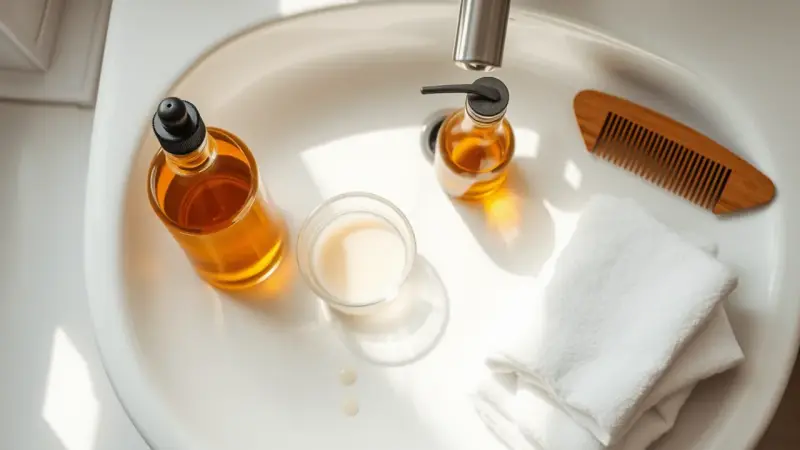
The best products for low porosity hair are lightweight, water-based formulas built around humectants such as glycerin, hyaluronic acid, honey, or aloe. Pair them with a residue-free or clarifying shampoo and light oils like sweet almond. Skip heavy butters and thick oils that sit on top of tightly closed cuticles. How rich you can go depends on whether your strands are fine or coarse.
Low porosity hair is hair whose outer cuticle layer lies flat and tight, so water and product have trouble getting in. That makes it slow to wet, slow to dry, and quick to collect buildup. The right products, and the right way of applying them, solve most of those problems.
What ingredients work best for low porosity hair?
Low porosity hair responds best to small, water-friendly ingredients that absorb without coating the strand. Look for these near the top of the ingredient list:
- Water (aqua) as the first ingredient. Water-based leave-ins and creams spread easily and soak in instead of sitting on the surface.
- Humectants. A humectant is an ingredient that draws water into the hair. Glycerin, hyaluronic acid, honey, and aloe vera are common choices.
- Lightweight oils. Sweet almond oil and argan oil seal in moisture without the heavy film of thicker oils.
- Gentle, low-residue cleansers. Sulfate-free shampoos that rinse clean help keep product from stacking up between washes.
A quick check before buying: if the label leads with butters or heavy oils, the formula may be too rich for low porosity hair unless your strands are thick and coarse.
Best products for low porosity hair by category
The products below are made for, or work well with, low porosity hair. Prices are list prices seen in November 2026. Retail prices change, so check the brand’s site or your retailer before you buy.
| Product | Type | Why it suits low porosity hair | Price (USD) |
|---|---|---|---|
| Prose Custom Shampoo for Low Porosity | Custom shampoo | Lightweight cleanser made to remove buildup without stripping | About $37 |
| Ethnic Gals Low Porosity Shampoo | Sulfate-free shampoo | Aloe and glycerin base that lifts residue from curls | About $33 |
| So!Flow by VisPlantis Shampoo for Low Porous Hair | Humectant shampoo | Budget pick for hair that gets weighed down easily | About $7 |
| Neutrogena Anti-Residue Shampoo | Clarifying shampoo | Strips product buildup when hair stops absorbing | Varies by retailer |
| PATTERN Beauty Cleansing Shampoo | Shampoo | Cleanser for curly and coily hair | Varies by retailer |
| Kinky-Curly Knot Today | Leave-in / detangler | Light, slippery leave-in that doesn’t coat fine strands | Varies by retailer |
| PATTERN Beauty Hair Steamer | Tool | Steam helps open the cuticle during deep conditioning | $169 list (seen on sale at $126.75) |
Shampoos and clarifiers
Shampoo matters more for low porosity hair than for most hair types, because leftover product blocks the next round of moisture. Use a gentle sulfate-free shampoo for regular washes. Keep a clarifying shampoo for the days your hair feels coated, stiff, or dull.
Conditioners and leave-ins
Light conditioners and water-based leave-ins are the safest starting point. Fine or loose-textured hair usually does well with something like Kinky-Curly Knot Today. Thicker, coarser low porosity hair can often handle more, such as Mop Top deep conditioner or Cantu’s conditioner with argan oil, without feeling greasy.
Deep conditioners, masks, and oils
A hydrating mask works best on damp hair with gentle heat, such as a warm towel, a thermal cap, or a steamer. Finish with a few drops of a light oil like sweet almond or argan rather than a thick butter.
How to hydrate extremely low porosity hair
Extremely low porosity hair needs warmth, water, and a light hand with product. Products alone won’t get moisture past a tight cuticle. This routine helps:
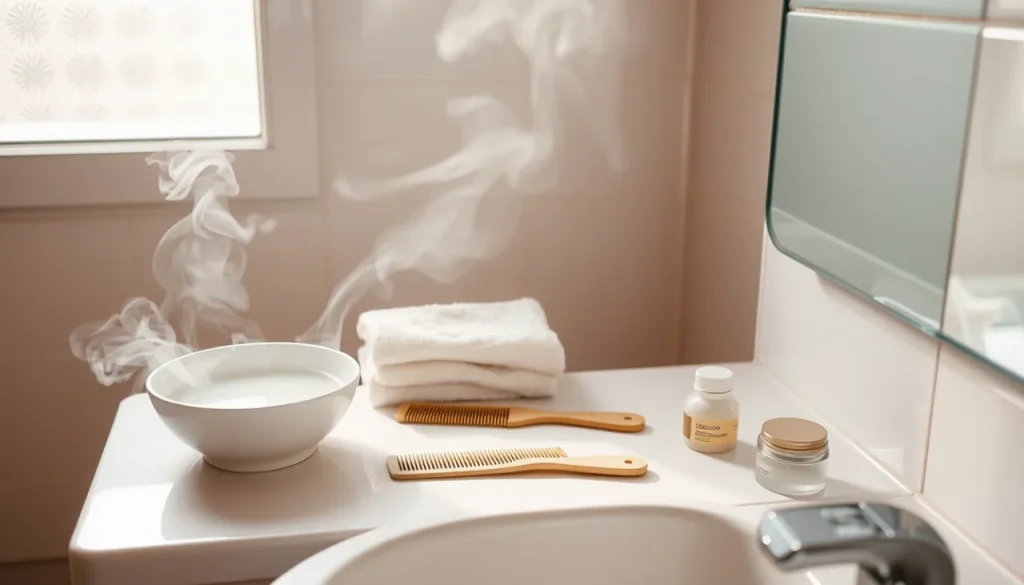
- Start with clean hair. Clarify if you have been layering heavy products, so the conditioner can actually reach the strand.
- Use warm water. Warm water helps the cuticle lift slightly. Lukewarm is enough, because very hot water can dry out the scalp.
- Deep condition with heat. Cover a hydrating mask with a plastic cap and a warm towel, or sit under a steamer. Follow the timing on the product label.
- Apply leave-ins to soaking-wet hair. Water helps lighter products spread and absorb. Working in sections also gets product to the mid-lengths, not just the surface.
- Use less than you think. If product is still visible or tacky after a few minutes, you used too much.
- Seal lightly. A small amount of light oil or a light cream locks in water without a heavy coat.
A worked example: you have coily hair that stays wet for hours and feels crunchy by day two. Clarify first. Then do a steamed mask, apply a water-based leave-in to dripping-wet sections, and press in a pea-size amount of almond oil. If your hair still feels coated the next day, cut the oil before you cut the leave-in.
What to avoid on low porosity hair
Low porosity hair struggles most with products that sit on the surface and build up. Watch for these:
- Heavy butters as leave-ins. Rich shea or cocoa butter creams can leave hair greasy and stiff instead of soft.
- Thick oils. Very heavy oils coat the cuticle and can block moisture from your next wash.
- Silicones that don’t rinse out easily. These can pile up between washes unless you clarify.
- Layering too many products. Leave-in, cream, oil, and gel all at once leaves more on top of the hair than it can absorb.
- Applying products to dry hair. Dry low porosity hair resists product, so it ends up sitting on the outside.
Some people with low porosity hair also find that protein-heavy treatments leave strands stiff. If your hair feels straw-like after a protein mask, switch to a moisture-only mask and see whether it improves.
Low porosity products by hair type
The same rules apply across textures, but the amount and weight of product change with how fine or coarse your strands are and how tightly they curl.
- 4C and tightly coiled hair. Coily hair can still be low porosity. Use water-based leave-ins on wet hair, deep condition with steam, and save butters for the ends only if they absorb.
- Curly and wavy hair. Light curl creams and gels keep definition without weight. If your waves fall flat, a humectant shampoo and a lighter leave-in usually help more than extra styling product.
- Straight hair. Straight low porosity hair tends to look greasy quickly. Use lightweight conditioner on the lengths only, skip most leave-ins, and clarify when shine turns to limpness.
- Fine hair of any texture. Fine strands show buildup fastest. Choose sprays and lotions over creams.
How to tell if you have low porosity hair
Low porosity hair gives itself away through how it handles water and product. Common signs:
- Water beads on your hair before it soaks in.
- Hair takes a long time to fully wet in the shower and a long time to air-dry.
- Products sit on top, leaving hair greasy, tacky, or coated.
- Hair often looks shiny but feels dry.
- Color and chemical treatments take longer to process.
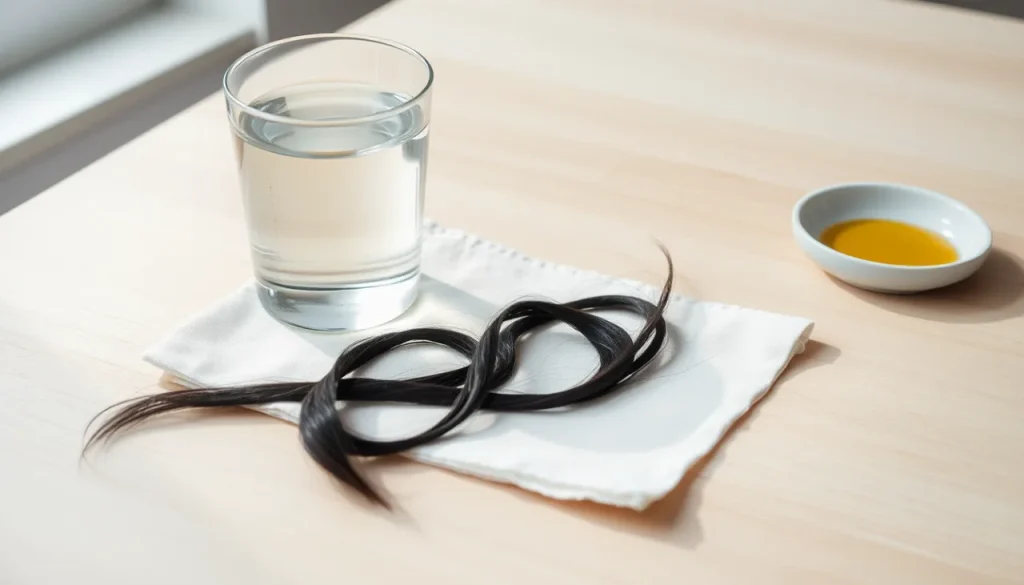
The float test (dropping a clean strand into a glass of water) is a popular home check. Natural oils and leftover product can throw it off, though. How your hair behaves on wash day is a more reliable guide.
Patch testing and when to see a dermatologist
Patch test any new shampoo, mask, or leave-in before using it all over, especially products with fragrance, essential oils like tea tree, or botanical extracts. Apply a small amount behind your ear or on your inner arm, then follow the waiting time on the label or wait at least a day. Skip the product if you notice redness, itching, or swelling.
See a board-certified dermatologist if your scalp itches or flakes persistently, if you notice sudden shedding or thinning, or if you have a rash or burning after using a product. Those symptoms point to a scalp or skin issue that changing products won’t fix.
FAQ
– Can low porosity hair be frizzy?
Yes, low porosity hair can be frizzy. It usually happens when hair is dry underneath a layer of buildup, or when humectants pull in moisture unevenly in humid weather. Clarifying, then using a light leave-in on wet hair, often reduces frizz.
– Are water-based products better for low porosity hair?
Yes, water-based products are usually the best fit for low porosity hair. When water is the first ingredient, the product spreads and absorbs more easily than oil- or butter-based formulas, which tend to sit on a closed cuticle.
– How is high porosity hair different from low porosity hair?
High porosity hair has a raised or damaged cuticle that absorbs water fast and loses it fast. Low porosity hair has a tight cuticle that resists water. High porosity hair generally benefits from richer creams and butters that low porosity hair finds too heavy.
– How can you moisturize low porosity hair naturally?
You can moisturize low porosity hair naturally with warmth, water, and light humectants. Try a warm-towel deep condition, then pure aloe vera gel or a little honey mixed into your conditioner, and seal with a few drops of sweet almond oil. Patch test any new ingredient first.