
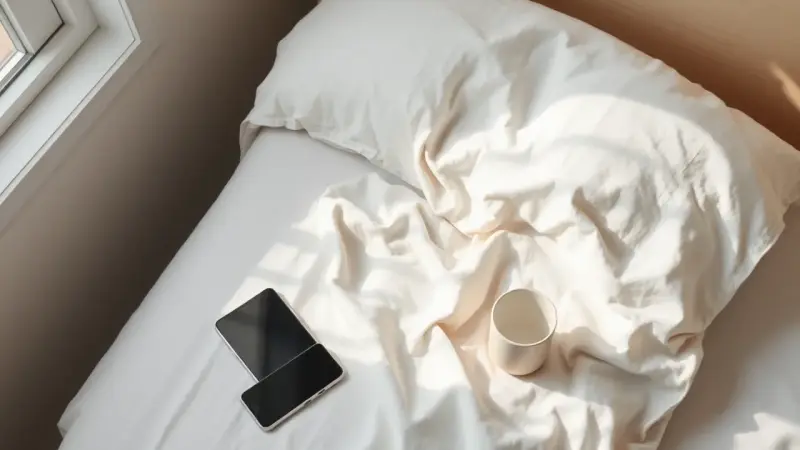
The cause of a stubborn breakout is often something that touches your face every day, like a phone screen, a pillowcase, conditioner residue or a primer. Dermatologists call pimples caused by objects rubbing against the skin acne mechanica, and pimples caused by products applied to the skin and hair acne cosmetica.
Here are five everyday triggers and what to do about each one.
The five fixes
1. Check what is in your skincare and makeup
Mineral oil and silicones show up in lots of moisturisers, foundations and primers. Mineral oil gives rich hydration and silicone leaves a silky, smooth finish. Silicone-based primers in particular suit some people but break others out. Comedogenic products contain ingredients that can clog pores, while products labelled non-comedogenic are made to avoid this.
If ingredient lists are hard to read, check the label instead. The American Academy of Dermatology advises people with adult acne to look for products marked “non-comedogenic”, “non-acnegenic”, “oil-free” or “won’t clog pores”.
2. Clean your phone
Your smartphone and an office desk phone both press against your cheek. Unless you wipe them down regularly, they can pass bacteria onto your skin. One study found that people who spent more time on calls with the phone touching their face got more acne on the side they held the phone to.
Wipe your phone often with a soft, lint-free cloth that is only slightly damp, and clean the things on your desk at least once a week. Earphones or speaker mode keep the handset off your cheek altogether.
3. Go easy on acne treatments
Salicylic acid and benzoyl peroxide work by drying out blemishes. Using too much of them can backfire: dry skin may make more oil to compensate, and irritated spots can look redder and more inflamed.
If your skin feels tight, flaky or stings, skip the spot treatment at night for a while and use a moisturiser so your skin barrier can recover.
4. Rinse away your hair products
Shampoos, conditioners and styling products can contain oils that clog pores. Silicones can also become comedogenic when combined with other ingredients in a formula. When hair products cause breakouts, it is called pomade acne. It shows up as bumps along the hairline and forehead, but residue running down in the shower can also cause breakouts on the neck and back.
Rinse your hair with your head tilted forward or to the side so the suds run away from your face and body. Then wash your face, neck and back after you have finished with your hair. The “non-comedogenic” label is rarely found on hair care, because hair products are not usually formulated or tested for it.
5. Change your pillowcase more often
Every night, your pillowcase collects dirt, oil, dead skin cells and bacteria from your skin and hair. If it is not washed regularly, all of that goes back onto your face. If you sleep on your side and your breakouts cluster on your cheeks, the pillowcase is a likely cause.
Weekly washing is enough for most people. Do it more often if you drool or sweat at night, or if you go to bed with styling products in your hair.
Tips and variations
Hats, headbands and helmet straps can trap hair products against the forehead and add friction, so you get acne mechanica and pomade acne at the same time. Wash headbands as often as pillowcases.
Hair oils and masks contain concentrated amounts of comedogenic ingredients. Keep them off your hairline, and wash your face well after using them.
Take hair styling products out before bed so they don’t transfer to your bedding. A smoother pillowcase can also cut down on friction against irritated skin.
If a breakout along the hairline clears up after you stop using a hair product, that product was probably the cause. If it doesn’t clear up, something else is likely behind it. For acne that won’t go away, see a dermatologist.